THE BUSINESS / MARKETING / CONTROVERSY
Four movies that caused massive controversy
Bans, protests and a cancelled release created commercial opportunities. The receipts do not make the trouble worthwhile.
A film can buy a billboard. Being denounced by a government is a less predictable way to get noticed.
Sometimes opposition gives audiences a reason to buy a ticket: curiosity, solidarity, faith, or the suspicion that anything people are trying this hard to stop must be worth a look. These four films found commercial opportunities inside real-world disputes. They did not all benefit in the same way, and success did not erase the cost.
They extend the question in Is all publicity (really)good publicity?: attention can help a release. Good for whom, and compared with what?
1. Life of Brian: the ban became the advert
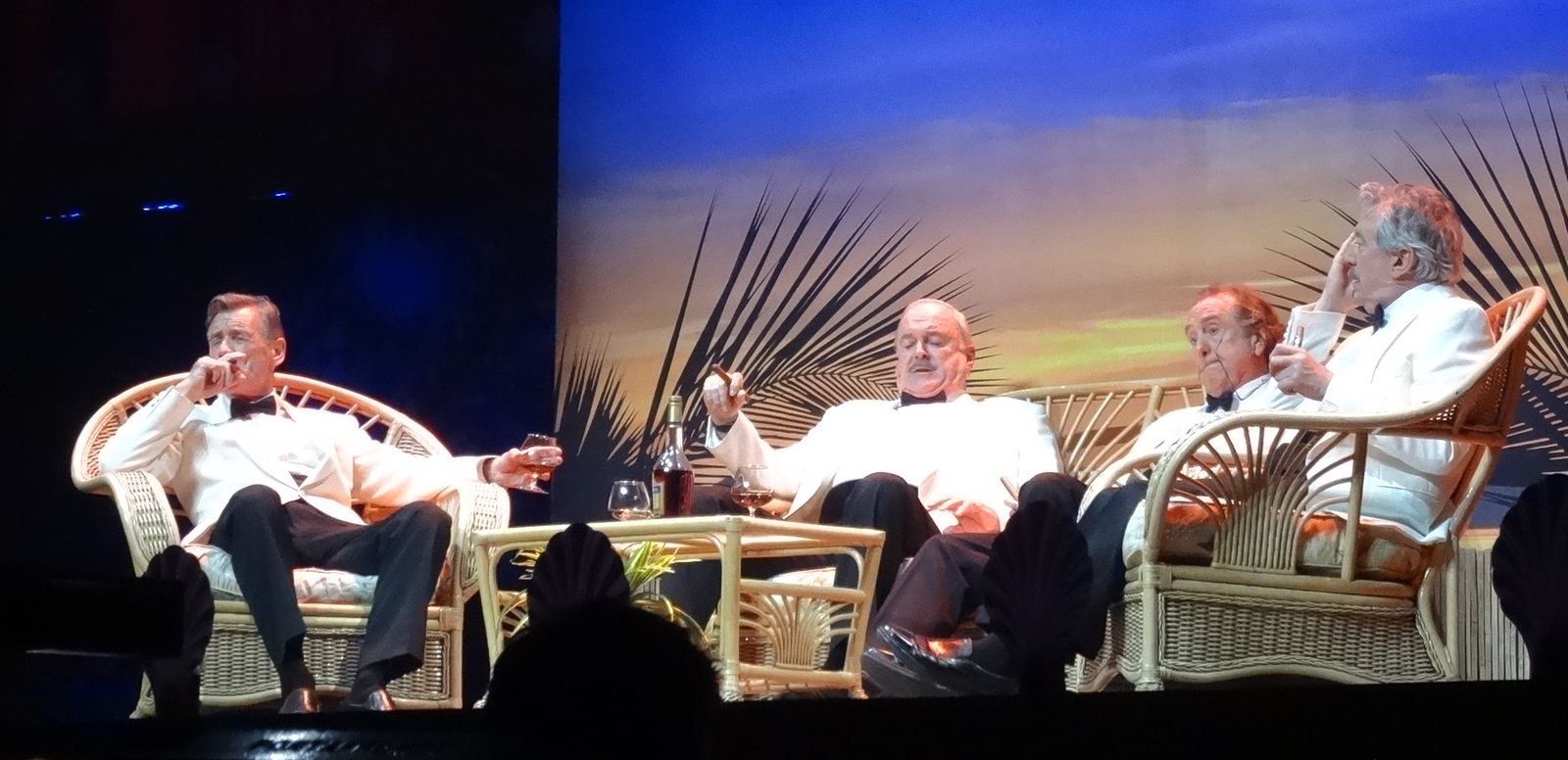
Monty Python's 1979 biblical comedy faced accusations of blasphemy, protests and bans. Ireland and Norway prohibited it; British local councils restricted screenings. Sweden's advertising found an unusually efficient review: "So funny it was banned in Norway."
The objection became an invitation.
The BBC's retrospectivedescribes audiences travelling to places where the film could be shown and records it as the UK's fourth-highest-grossing film of 1979. In a history excerpt published by Literary Hub, Eric Idle recalls people crossing state lines in the US to see it.
The commercial upside was unusually legible: attempted suppression could be turned into a selling point. That does not calculate the extra tickets attributable to the dispute. The Pythons already had fans, and the film still had to make people laugh. But the people saying "don't watch this" had accidentally supplied the campaign with a headline.
2. The Passion of the Christ: the audience became the distribution network
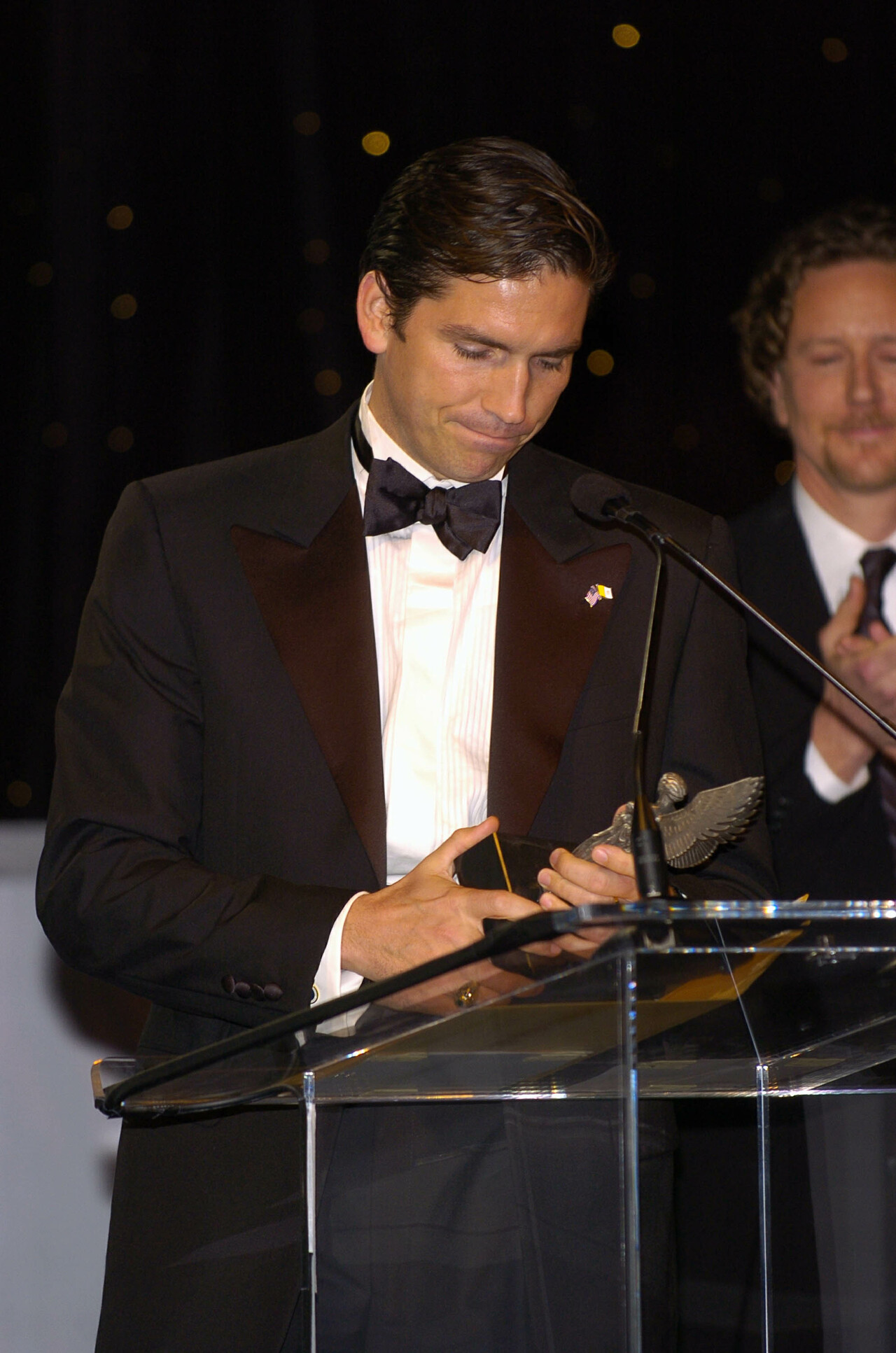
Mel Gibson's 2004 film drew criticism over its portrayal of Jews and concerns about antisemitism. It also attracted a highly organised Christian audience.
Contemporary CBS reporting documented churches reserving cinemas, religious organisations selling tickets and supporters buying admission for other people.
That is a stronger connection to sales than a trending argument: people were purchasing tickets in bulk. The film earned $125.2 million in its first five days in the US, according to contemporaneous BBC reporting, which also described whole cinemas being booked by congregations.
Controversy raised the stakes around a film that already had a committed audience. Watching could become an expression of belief as well as a night out. Yet church outreach, religious demand and the dispute worked together; the opening cannot be assigned to criticism alone. Nor does strong ticket buying answer the criticism of the film's portrayal. Commercial mobilisation and ethical judgment are different questions.
3. The Interview: when watching became a statement

The 2014 comedy about an assassination plot against North Korea's leader became caught in an international dispute, threats of violence and a cancelled wide theatrical release. It eventually reached selected cinemas and digital platforms.
The release itself was now news.
Sony reportedmore than 4.3 million online and on-demand rentals or purchases between 24 December and 4 January, worth over $31 million in consumer sales. By 20 January, CBS reported digital sales of $40 million, alongside roughly $6 million in theatrical box office.
The commercial bright spot was a substantial digital audience for a disrupted release. The surrounding debate gave watching the film a meaning beyond liking the joke. But those sales were not Sony's net profit, and CBS warned that the film could struggle to break even. Exceptional digital demand is not the same as a successful replacement for the theatrical run that disappeared.
4. Padmaavat: curiosity sold tickets; fear stopped screenings

Opposition to Sanjay Leela Bhansali's 2018 historical drama included threats against its filmmakers and violence around its release.
BBC reporting described attacks and cinemas declining to screen it, even as the film opened widely elsewhere.
There was a commercial upside to the attention.
Trade analysts interviewed by Firstpost described curiosity and sympathy drawing audiences.
Mint later reported a worldwide gross of ₹585 crore.
But this is the list's warning against an easy conclusion.
Ormax chief Shailesh Kapoor told The Hindu that controversy had increased interest while disrupted screenings and fear did greater damage. His assessment was an industry estimate, not a measured alternate release. Still, it identifies the trade-off: more people may want to watch while fewer can safely do so.
A ticket is a result, not a verdict
The useful pattern is not "cause trouble, sell tickets". It is that controversy can give an audience a new reason to act. A ban creates curiosity. A religious dispute mobilises believers. A threatened release makes viewing a public statement.
Those reasons can produce real sales. They can coexist with lost screenings, threats and people paying a price that never appears in a box-office table. Bad publicity may contain a commercial opportunity. Calling the whole experience good requires a much bigger calculation.