REESE
What Reese Witherspoon really buys
What it means to buy the rights to a story.
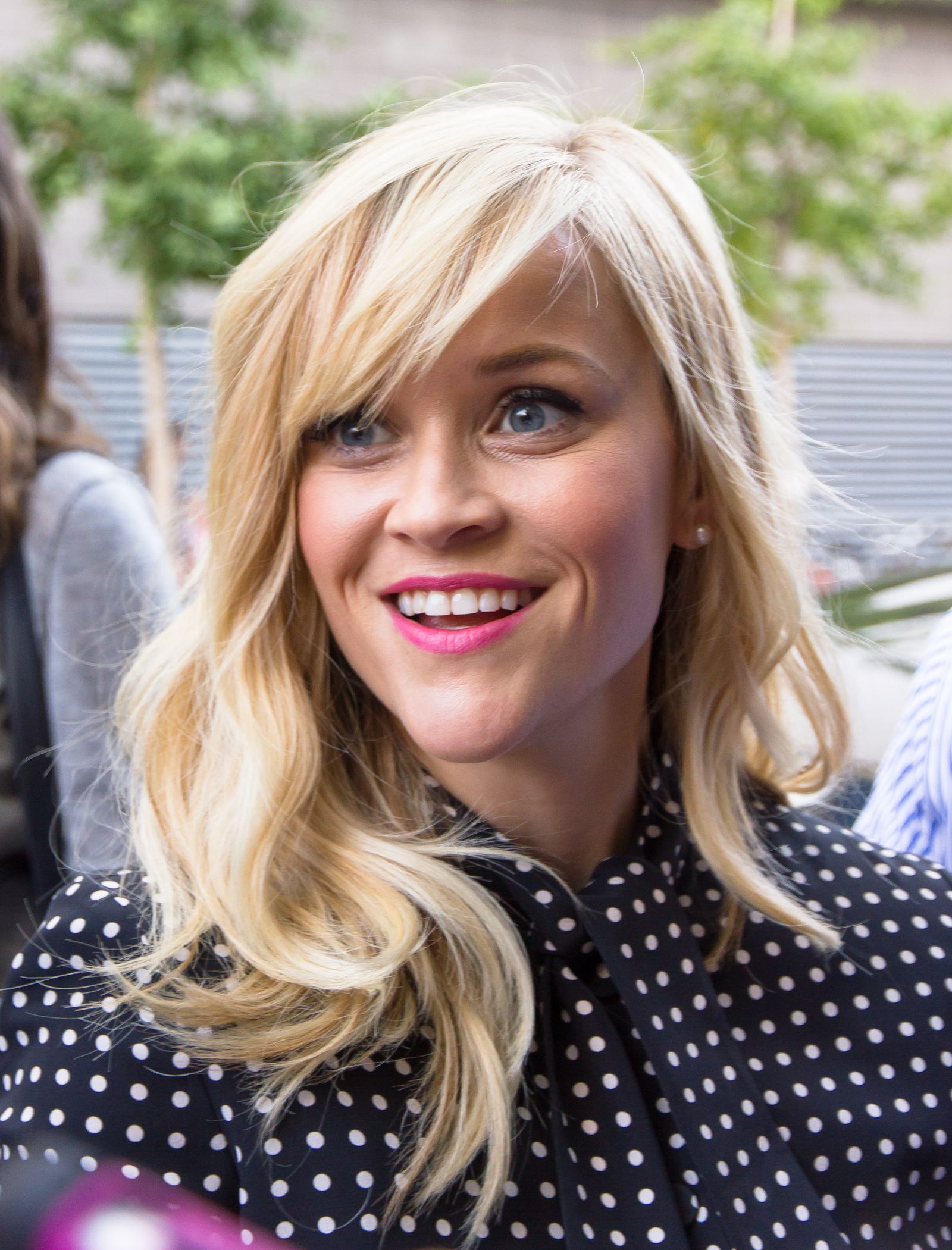
What is Reese Witherspoon buying when she acquires a book for the screen? Not a stack of copies, and not necessarily every right attached to it. The business is permission to turn an author's work into something else. Hello Sunshine has built a recognisable identity around finding those stories, making adaptations and gathering readers who might care about them before the cameras roll.
That sounds like a neat pipeline. Is it really that simple?
The strategy began with a shortage. Witherspoon told NPR that when she asked studios what they were developing for women, almost all said they had nothing with a female lead. She already knew how to get a book onto the screen and saw a way to create better roles while helping women authors sell their stories. In 2012, she and producer Bruna Papandrea launched Pacific Standard; Gone Girl and Wild followed. The distinction was not inventing literary adaptation, but making women-centred stories the business's focus before Hello Sunshine launched in 2016.
The book club is not the rights department
Reese's Book Club says Witherspoon chooses a book each month with a woman at the centre of the story. Hello Sunshine, founded in 2016, gives women's stories a similar place in its production work.
The overlap matters, but a recommendation is not an acquisition. In a 2023 IndieWire interview, film and TV president Lauren Neustadter explains that the production department and book club are separate. Her team can recommend a novel for readers without seeing a film or series in it. The exchange also works in the other direction.
A book-club sticker, then, is not a promise of an adaptation. Reading taste and production judgment have different jobs.
What does acquiring IP mean?
IP means intellectual property. For a book adaptation, the practical questions concern the rights being granted, for how long and on what terms. The Authors Guild's guidance asks writers to consider more than the payment: how long producers will hold the rights, whether sequel and merchandise rights are included, and the author's role in the adaptation.
Calling this "buying books" hides those distinctions. A contract can open a route to the screen, but it does not itself supply a script, financing or a finished production. The published work and the proposed adaptation are connected without being the same product.
The format is part of the bet
Hello Sunshine secured the rights to Daisy Jones & the Six before it became a huge bestseller, according to IndieWire. Neustadter says others saw a movie; her team saw a series and wanted room for the story to breathe.
That decision is part of development, not a detail left until after the purchase. In TheWrap, she describes considering whether material has a film's three-act shape, a limited series' clear ending or the scope for an ongoing show. In that 2023 interview, she also says Hello Sunshine was free to sell projects to different buyers rather than being tied to one overall deal.
The skill is finding a story, imagining its screen form and persuading the right partners to make it. A bestseller supplies attention. It still needs an adaptation that works.
An audience is valuable. It is not insurance.
The commercial appeal extends beyond individual screen rights. In 2021, Hello Sunshine announced a majority investment from the Blackstone-backed venture that became Candle Media. Reuters reported a valuation of about $900 million, citing people familiar with the deal. That was a company valuation, not Witherspoon's personal payout or the price of its books.
The business remained exposed to Hollywood's changing economics. In March 2025, Reuters reported that streaming cutbacks and the strikes had put pressure on Hello Sunshine. A source said its wider businesses, including the book club, helped it remain profitable. That account is not a public set of audited figures.
The interesting idea is bigger than adapting popular novels: build a recognisable taste, a relationship with readers and a production business around stories the audience wants. Those pieces can support each other. None removes the work, or the risk, of making something worth watching.
Sources Reese’s Book Club - Complete list ↗IndieWire - Hello Sunshine and limited series ↗TheWrap - Lauren Neustadter interview ↗Authors Guild - Film/TV options ↗Hello Sunshine - Investment announcement ↗Reuters - Hello Sunshine valuation ↗Reuters - Hello Sunshine business pressures ↗NPR - Witherspoon and women-led roles ↗Variety - Pacific Standard launch ↗Variety - Reese Witherspoon production company ↗